Shoushan Stone Carving
Introduction
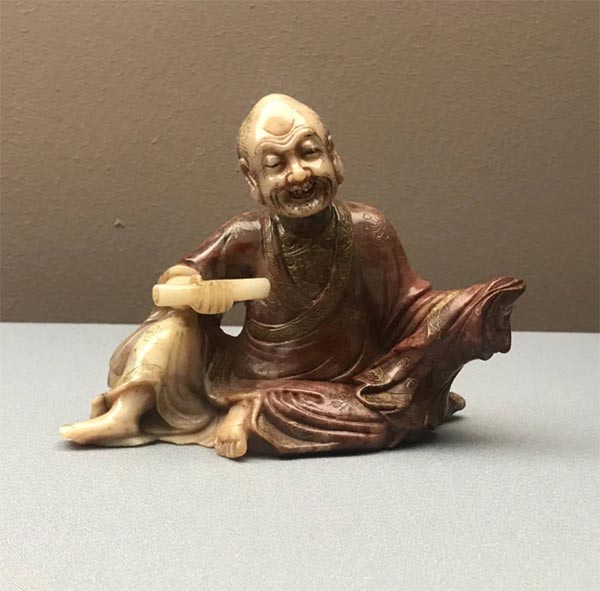
Shoushan stone carving is a traditional and intricate form of craftsmanship primarily associated with the region around Fuzhou in Fujian province. The practice involves the artistic sculpting of agalmatolite stones mined from the Shoushan village, which is located near the provincial capital of Fuzhou. The art of Shoushan stone carving has a quite long history and has been preserved and passed down through generations of artisans. These stones are renowned for their semi-translucent quality, smooth texture and vibrant colors, which make them highly valued for creating a range of objects including figurines, landscapes, ornaments, seals and more.
Historical Background
The origins of Shoushan stone carving can be traced back several centuries, highlighting a rich cultural heritage that has been meticulously maintained over time. The craft gained significant popularity during the Ming (1368–1644) and Qing (1644–1911) dynasties when carved Shoushan stones became highly prized by intellectuals and were even included in imperial collections. The stones' unique characteristics made them ideal for creating seals and other intricate carvings that showcased the artisans' sophisticated skills.
Shoushan Stones and Characteristics
Shoushan stones are known for their diverse and vibrant color schemes, often featuring red, yellow, black and grayish tones. These colors influence the themes and subjects chosen by carvers. For instance, red and yellow stones are popular for sculpting scenes of mountains, flowers, and fruits, while black stones are often used for depicting trees and stones, and grayish stones for clouds. Among the 130-odd types of Shoushan stones, Huakeng stones are more readily available but considered less precious compared to rarer varieties.
Artisans and Inheritors
The craft of Shoushan stone carving has been maintained and advanced by numerous skilled artisans, many of whom have dedicated their lives to mastering this art form. One prominent figure is Chen Lizhong, a national-level inheritor of the Shoushan stone carving technique. Based in Fuzhou, Chen has been practicing stone carving for over 30 years and is among the top four Shoushan stone carving masters in China. He has played a crucial role in preserving and promoting the art form, not only through his own work but also by teaching students and encouraging them to develop their unique styles.
Contemporary Challenges and Innovations
Shoushan stone carving is more than just an art form; it is a cultural emblem that represents Fujian's rich history and identity. The stones' aesthetic qualities and the artisans' skills continue to play a vital role in cultural exhibitions, both domestically and internationally.
In recent years, the availability of high-quality Shoushan stones has declined, prompting artists to explore alternative materials such as Laos stone. Additionally, there has been a shift in focus from material quality to the artistic expression and aesthetic appeal of the carvings. This evolution in approach has led to innovative techniques and designs that enhance the value and appeal of Shoushan stone carvings.








